Building Agile Confidence: Championing Scrum Within the OCI UX Team
Helping UX designers at Oracle Cloud Infrastructure plan with clarity, align effectively with engineering, and embrace agility through practical rituals, shared language, and design-friendly frameworks.
Enterprise Software
2022 - Present
Agile Evangelist
The Mission
At Oracle Cloud Infrastructure (OCI), product teams were already operating in mature agile environments. But many UX designers hadn’t had hands-on experience with Scrum. Sprint planning, estimation, and agile rituals felt disconnected from their design work.
This created gaps in collaboration, unclear priorities, and workflows that often drifted out of sync with development. I saw this not just as a process issue, but as a cultural disconnect. Agile felt like it belonged to engineering.
My goal was to change that. I focused on translating agile into something approachable and useful for design—something that supported creativity rather than restricted it.
+20%↑
Increase in sprint adoption
-30%↓
Fewer delivery misalignments
6+
Agile resources presented org-wide

Challenges
Designers were using the same Jira backlog but lacked shared sprint rituals
Estimation felt intimidating or disconnected from design work
PM and UX alignment often relied on informal updates
Agile was perceived as something built for developers, not for design
My Role and Approach
As the team’s Agile Evangelist, I supported designers by introducing practical tools, creating shared rituals, and offering hands-on guidance.
I focused on:
Running 1:1 and small group coaching sessions to demystify Scrum
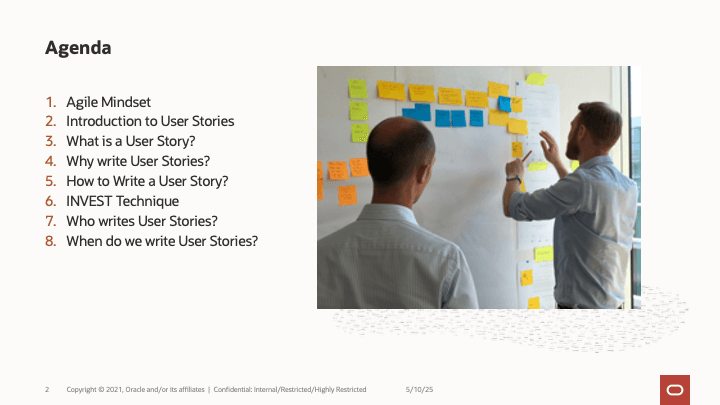
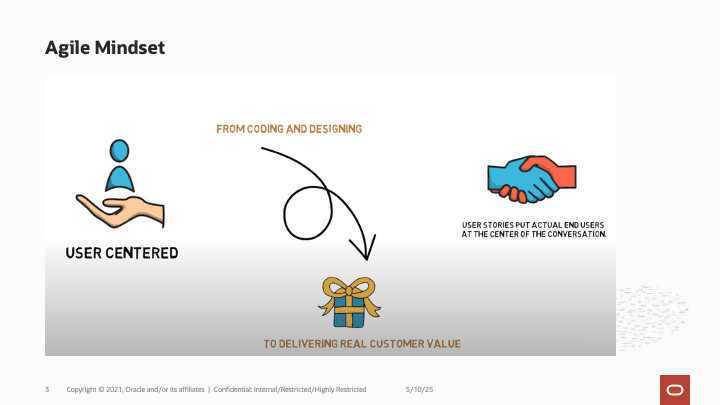
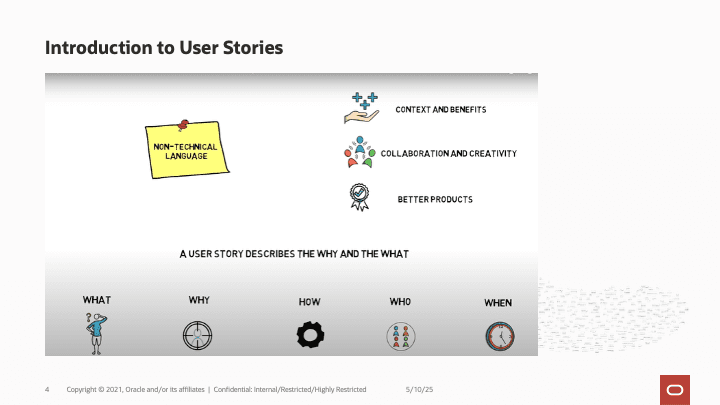
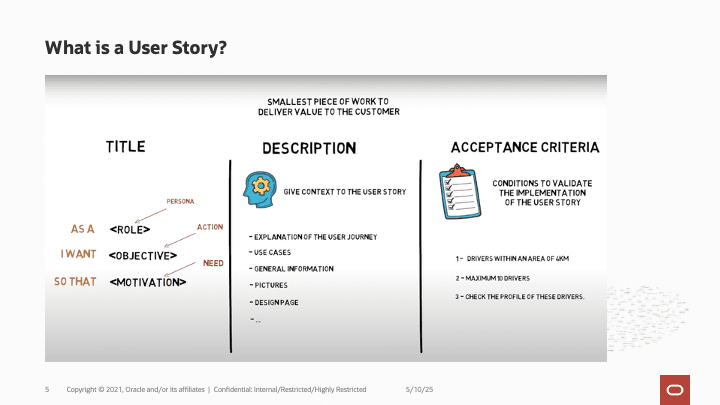
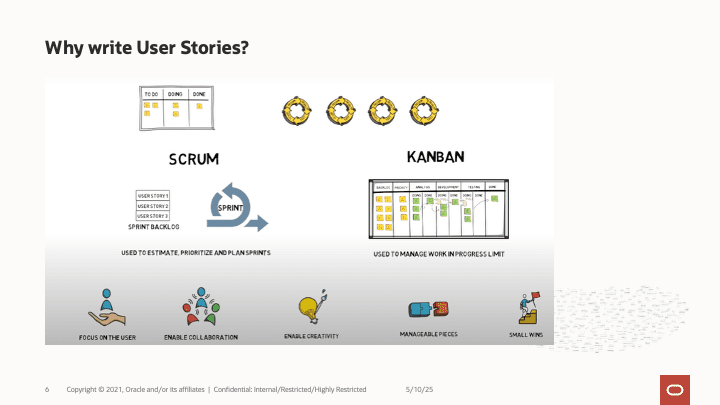
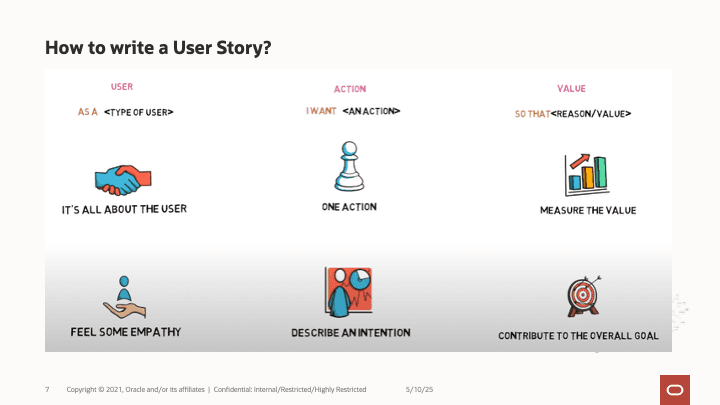
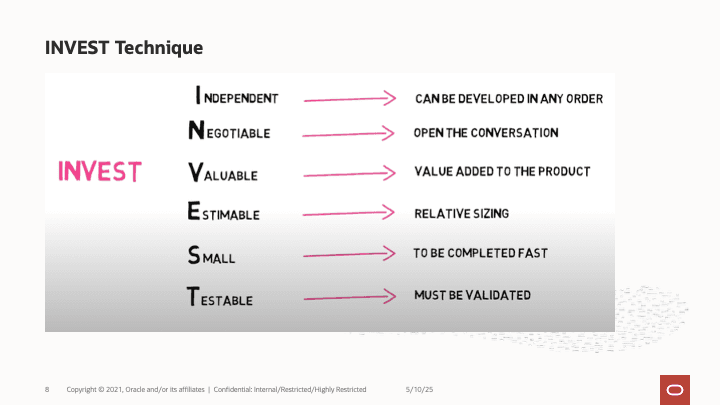
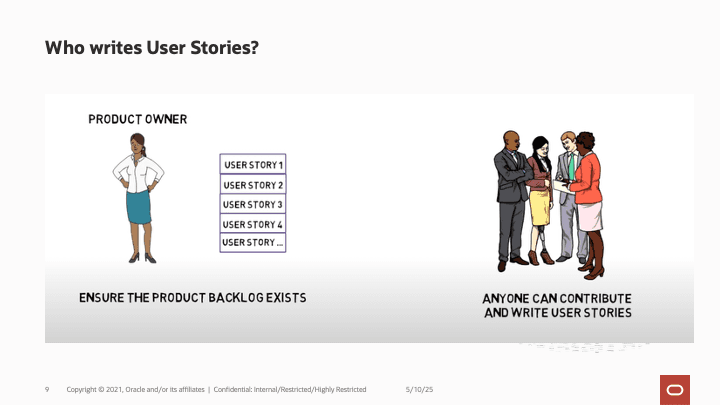
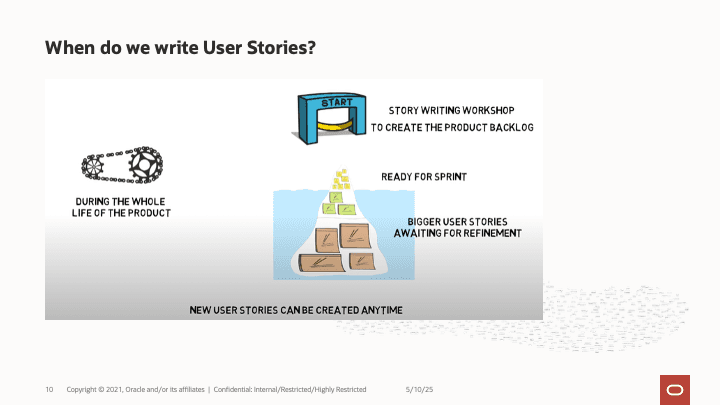
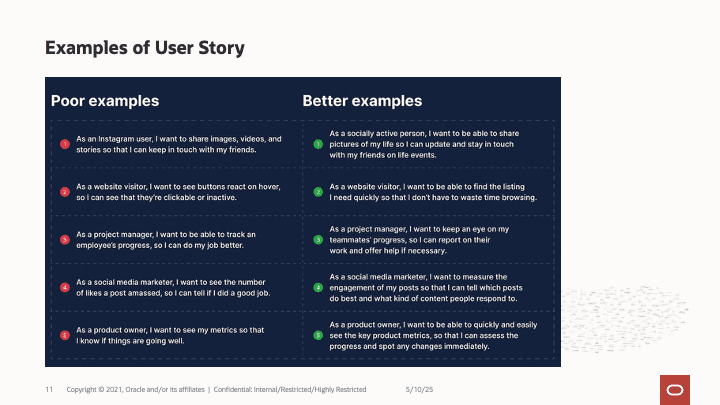
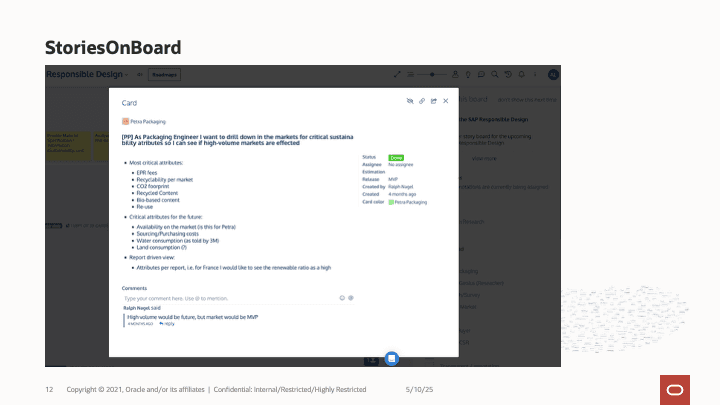
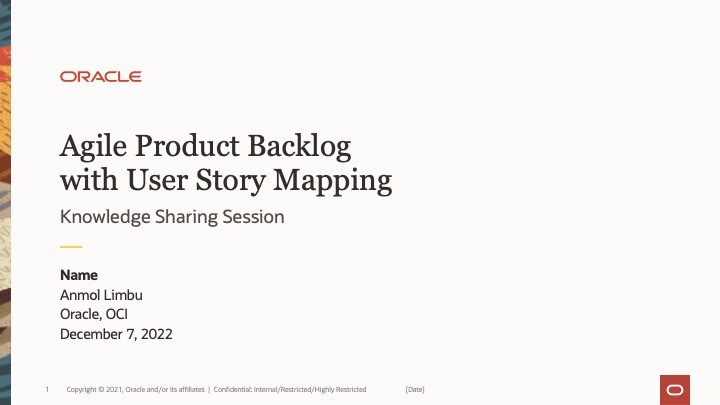
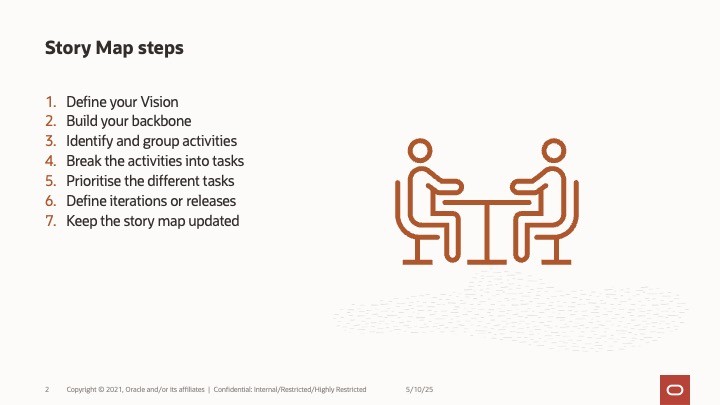
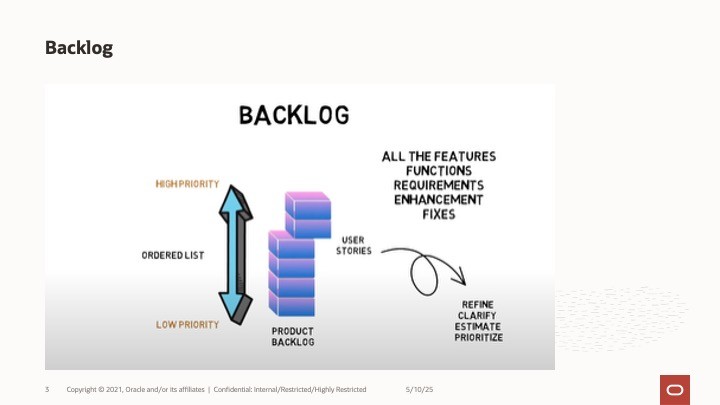
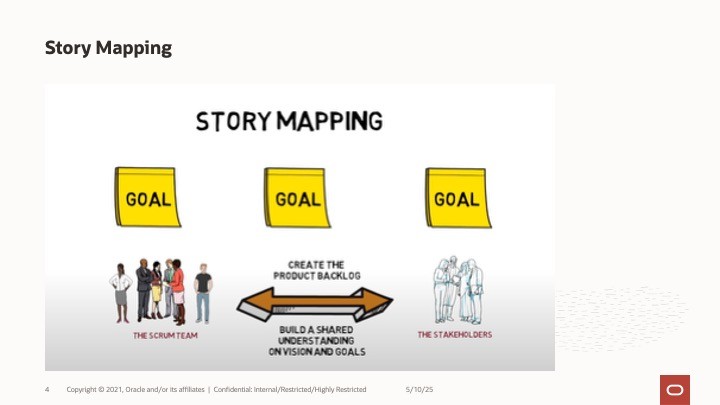
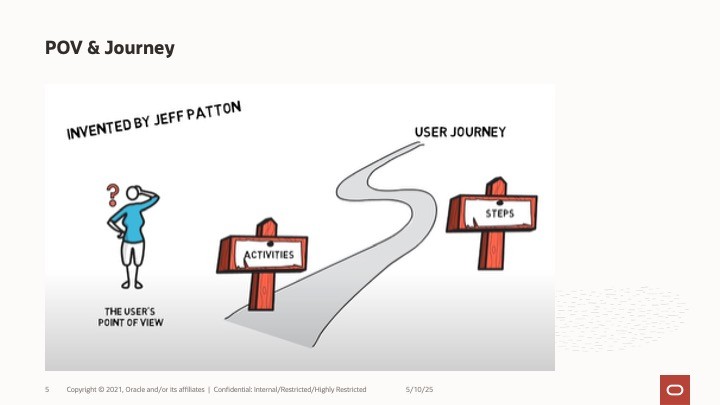
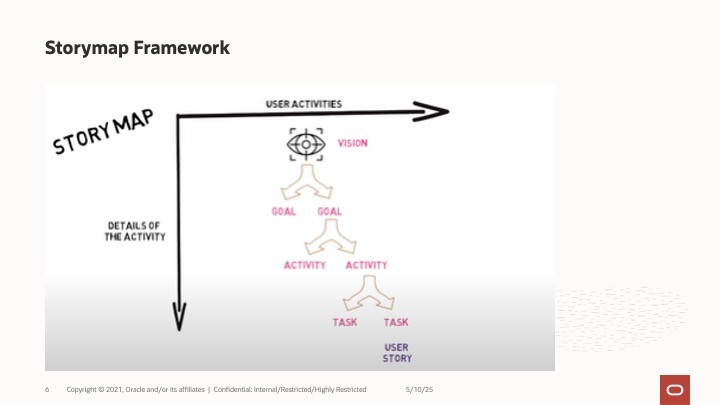
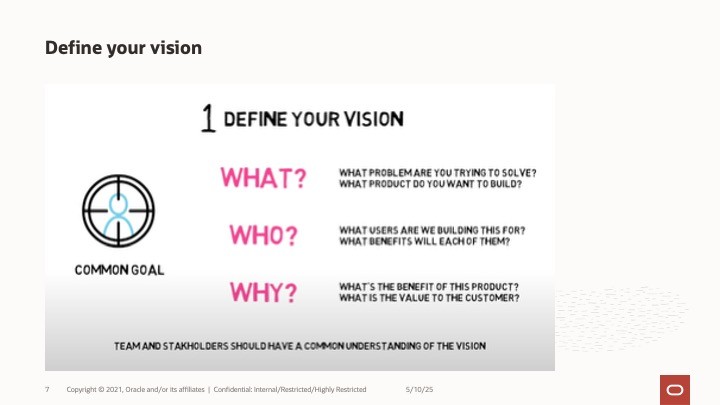
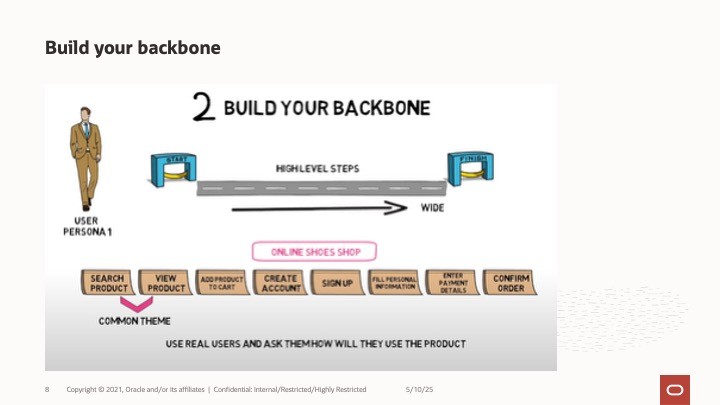
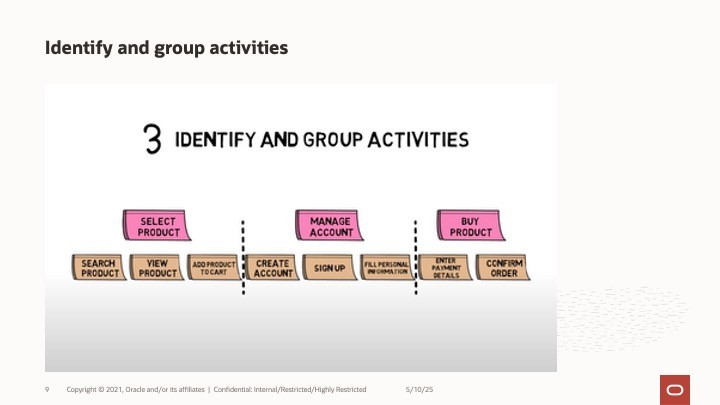
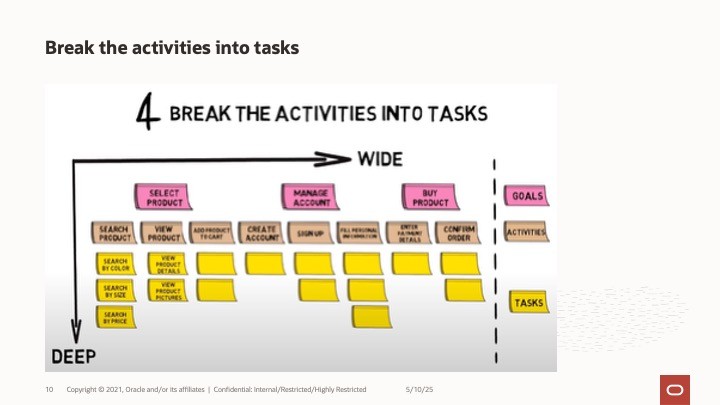
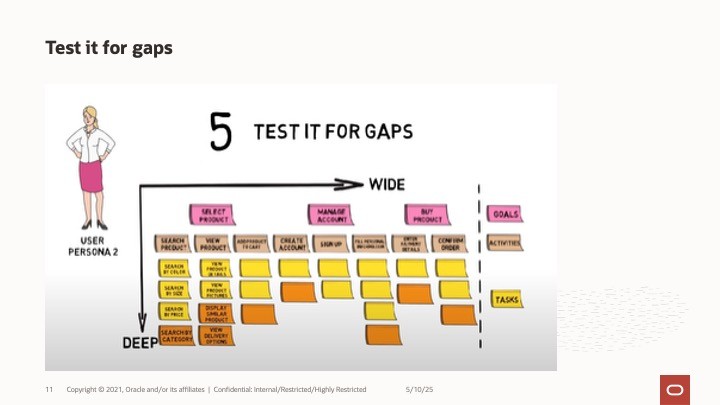
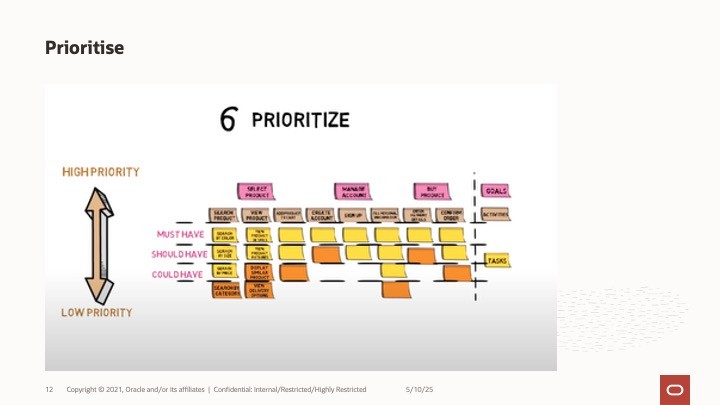
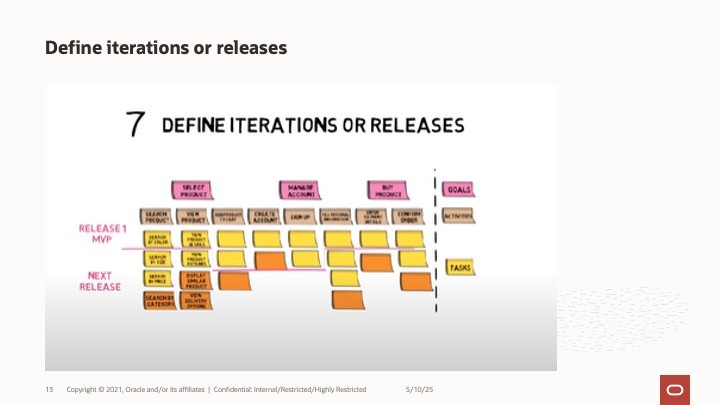
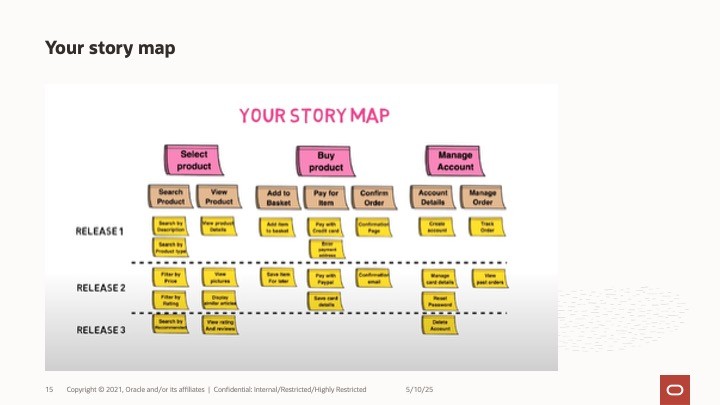
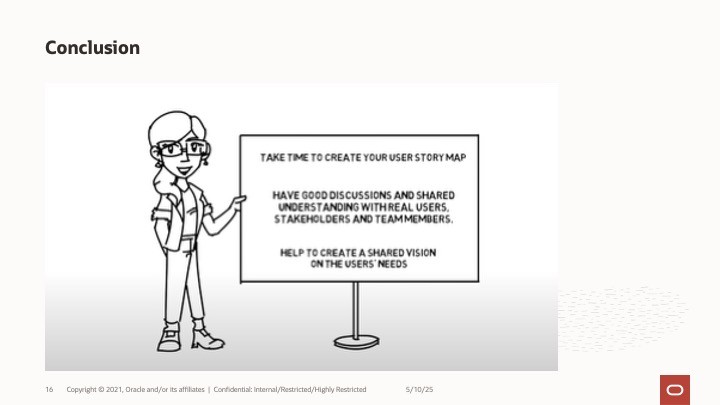
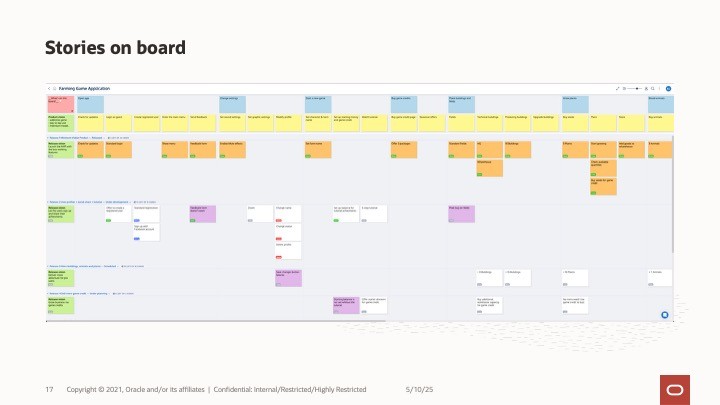
Creating knowledge sharing session presentations like Scrum 101 for Designers and User Story 101
Introducing a two-week design sprint rhythm aligned with development cadences
Encouraging async stand-ups and midweek check-ins to reduce meeting overhead
Helping teams use shared JIRA swimlanes to make UX work visible
Normalising estimation through S/M/L t-shirt sizing
Promoting psychological safety in retros and planning sessions


Design Sprint Rhythm
A rhythm that brought structure without sacrificing creative flexibility:
Monday: Sprint planning and prioritisation
Daily: Optional async standups via Slack
Thursday: Mid-sprint check-ins
Friday: Demos, async feedback, or team retrospectives
The focus was on creating structure that added value without adding friction.
Agile Learning Tools for UX
Scrum 101 for Designers — A visual, UX-friendly explainer built in FigJam
T-Shirt Estimation Templates — A simple S/M/L approach to help teams estimate comfortably
Velocity Snapshots — Lightweight tools to assess and plan realistic design capacity
Design Estimation Frameworks
Estimation became part of the creative process, not an external control:
Shared Jira swimlanes helped surface design work across pods
Story points were connected to t-shirt sizing to simplify planning
Estimation was framed as a way to identify risk early and manage expectations
The Impact
20% increase in sprint adoption across design teams
30% reduction in delivery misalignments
6+ agile resources created and shared across the organisation
Designers became more confident in planning and estimation
Agile was embraced as a mindset that supported UX, rather than limiting it
Reflection
This wasn’t about forcing a process. It was about showing how agility can empower design — creating clarity without killing creativity. By embedding rituals that respected our design rhythm, we built confidence, improved delivery, and strengthened cross-functional trust.
One sprint at a time, we made agility feel like ours.