SAP ICSM: Redesigning Clinical Trial Management for Greater Transparency and Control
Helped design key features for a next-generation clinical trial tool in collaboration with SAP, Tenthpin, and leading pharmaceutical companies—empowering trial managers to make faster, data-driven decisions with confidence.
Enterprise Software
2018-2022
UX Designer
Context
Between 2019 and 2021, I worked as a UX Designer on SAP’s Intelligent Clinical Supply Management (ICSM) platform. This project aimed to address long-standing inefficiencies in how pharmaceutical companies managed their clinical trial supply chains—an area plagued by limited visibility, outdated tools, and rising complexity.
SAP collaborated with Tenthpin (a life sciences consultancy) and major pharmaceutical companies like Roche, Amgen, and Eli Lilly to develop a scalable system that would modernize trial operations. Our team’s goal was to deliver an intuitive, flexible tool that enabled smarter forecasting, smoother coordination, and faster response to real-world changes.
Results
The ICSM project led to major enhancements in how clinical trials are managed. By introducing features like scenario comparison and manual demand forecasting, we gave trial managers greater visibility and flexibility in real time. These tools helped eliminate inefficiencies, fostered better teamwork across departments, and supported quicker, more confident decision-making.
Improved
Operational transparency & visibility
Faster
Planning & decision-making cycles
Enhanced
Collaboration across global teams

Challenges
The clinical trials ecosystem is highly complex, and we faced several significant challenges:
Lack of end-to-end visibility: Trial managers struggled to track inventory and supply needs, often working with outdated data.
Manual, error-prone processes: Spreadsheets and email chains dominated workflows, increasing the risk of missteps.
Pandemic-driven constraints: COVID-19 restricted our ability to conduct in-person workshops, forcing us to rely on remote research and cross-time-zone collaboration.
High financial risk: Errors or delays in managing trial supplies—especially for treatments like CAR-T cell therapy—could cost hundreds of thousands per dose.
My Role
As a UX Designer on the project, I was directly involved in shaping key features and ensuring that user needs remained central throughout development. I collaborated with solution architects, life sciences experts, developers, and customer stakeholders to create a solution grounded in empathy and usability.
My responsibilities included:
Conducting user interviews and stakeholder research
Co-facilitating virtual design workshops with global pharmaceutical companies
Creating UI prototypes using SAP Fiori guidelines
Iterating based on user feedback and test results
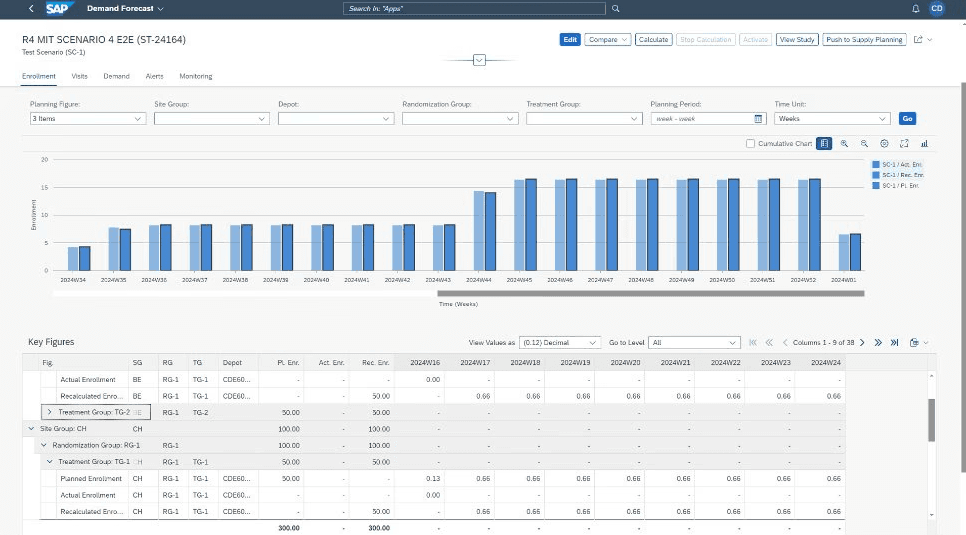
Designing features such as the scenario comparison tool and forecasting modules
The Team
The ICSM project operated across five Agile teams, with approximately 40 people contributing. We used a structured sprint-based model where:
Solution architects defined business requirements and user stories
UX designers turned those stories into wireframes, flows, and final designs
Developers implemented and tested the product
Life sciences SMEs and customer representatives validated feature concepts in real time
Our team also included a Design Thinking Coach, Scrum Master, and key representatives from SAP and Tenthpin.
Roadmap
Our design efforts were concentrated around solving three core pain points:
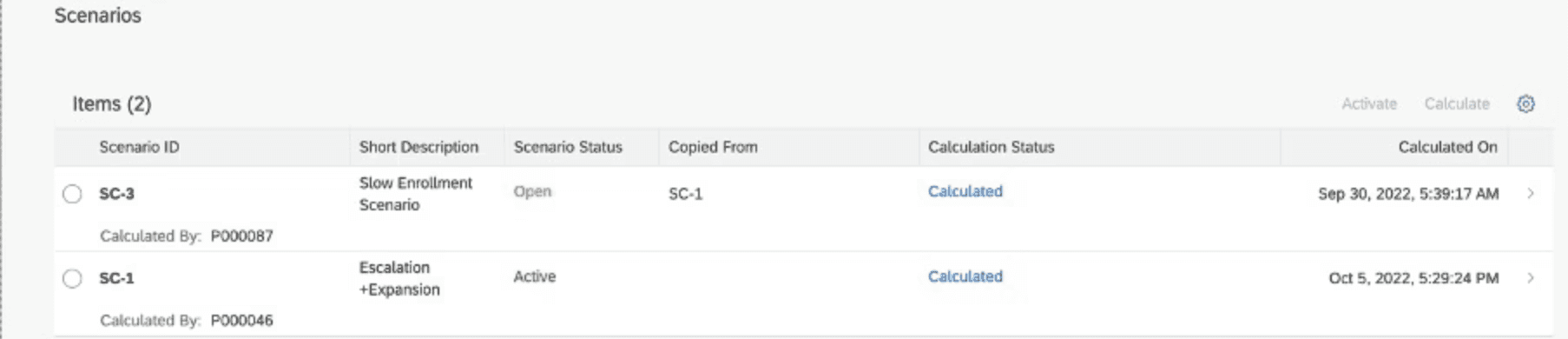
Scenario Comparison: Simplify complex decision-making by allowing trial managers to compare and evaluate multiple planning scenarios side by side
Manual Demand Forecasting: Empower users to make agile changes to supply planning in response to real-time events
Workflow Optimization: Consolidate communication, documentation, and decision-making into one integrated platform
Process
Due to travel restrictions, we transitioned our workshops and research activities online. I co-led virtual sessions with stakeholders from six different countries, using remote whiteboarding and user testing tools to validate our design direction.
Combining Synchronous & Asynchronous Work
To keep momentum across time zones, we used:
Live workshops for real-time decision-making
Asynchronous reviews where stakeholders could leave comments on prototypes at their convenience
This dual approach ensured continuous progress without slowing down global feedback loops.
Designing for Complex Use Cases
The ICSM platform had to account for regulatory compliance, regional differences, and clinical complexities like blinding and randomization. I worked closely with SMEs to ensure our designs met domain-specific requirements while still remaining intuitive.
Streamlining Existing Pain Points
We focused on reducing reliance on outdated tools. Many users shared that tracking version changes across spreadsheets was “a nightmare.” Our designs aimed to centralize data and reduce those friction points.
“It’s nearly impossible to track trial changes across versions without making mistakes.”

Clinical trial manager
Key Features
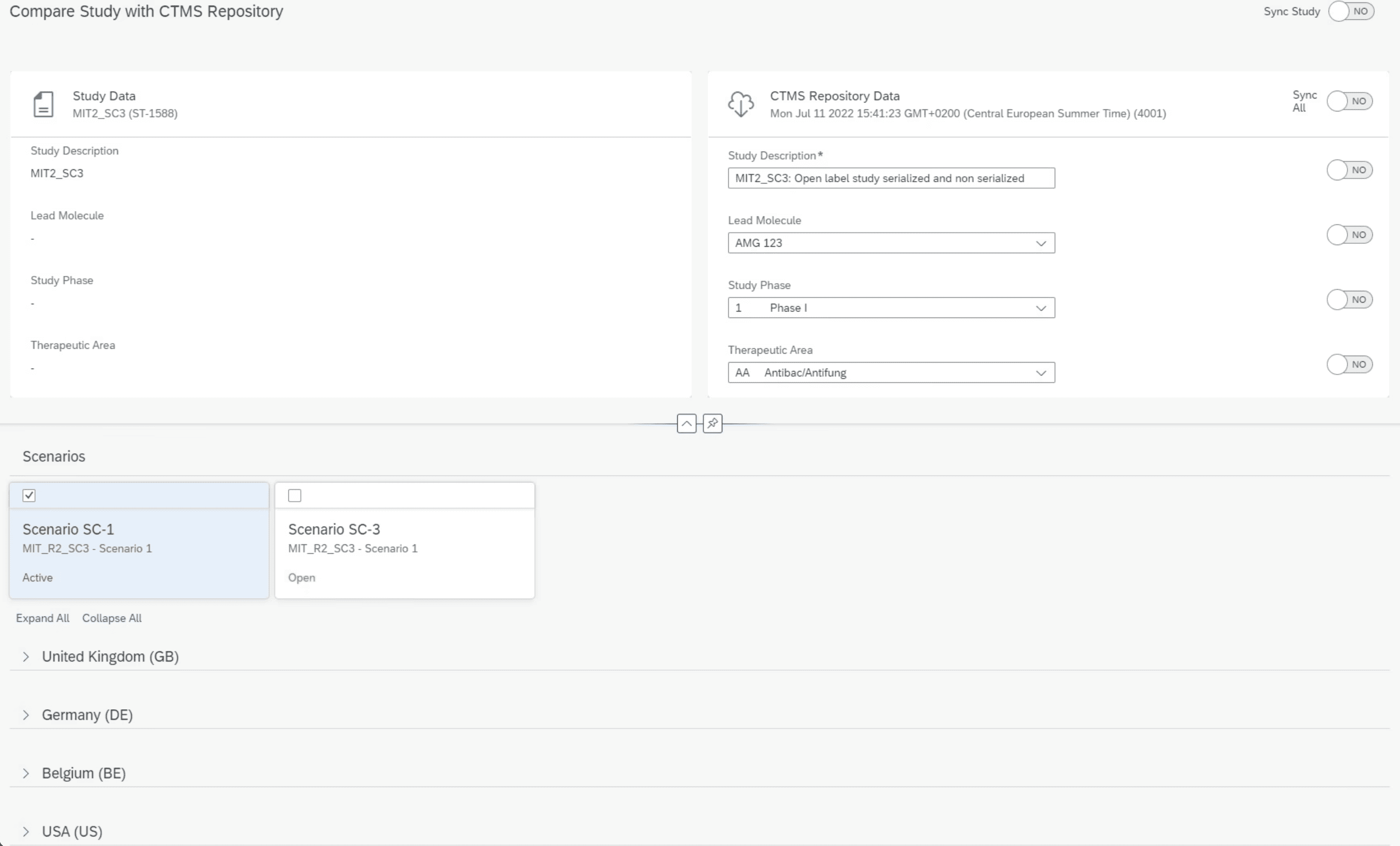
1. Scenario Comparison Tool
Pain Point: Trial managers were manually comparing planning spreadsheets—leading to errors and delays.
Research Insight: Interviews revealed difficulty identifying what changed between scenarios.
Solution: Designed a tool that visually compared scenarios side by side, highlighting key differences.
Outcome: Accelerated planning and gave users more confidence in decision-making.
2. Manual Demand Forecasting
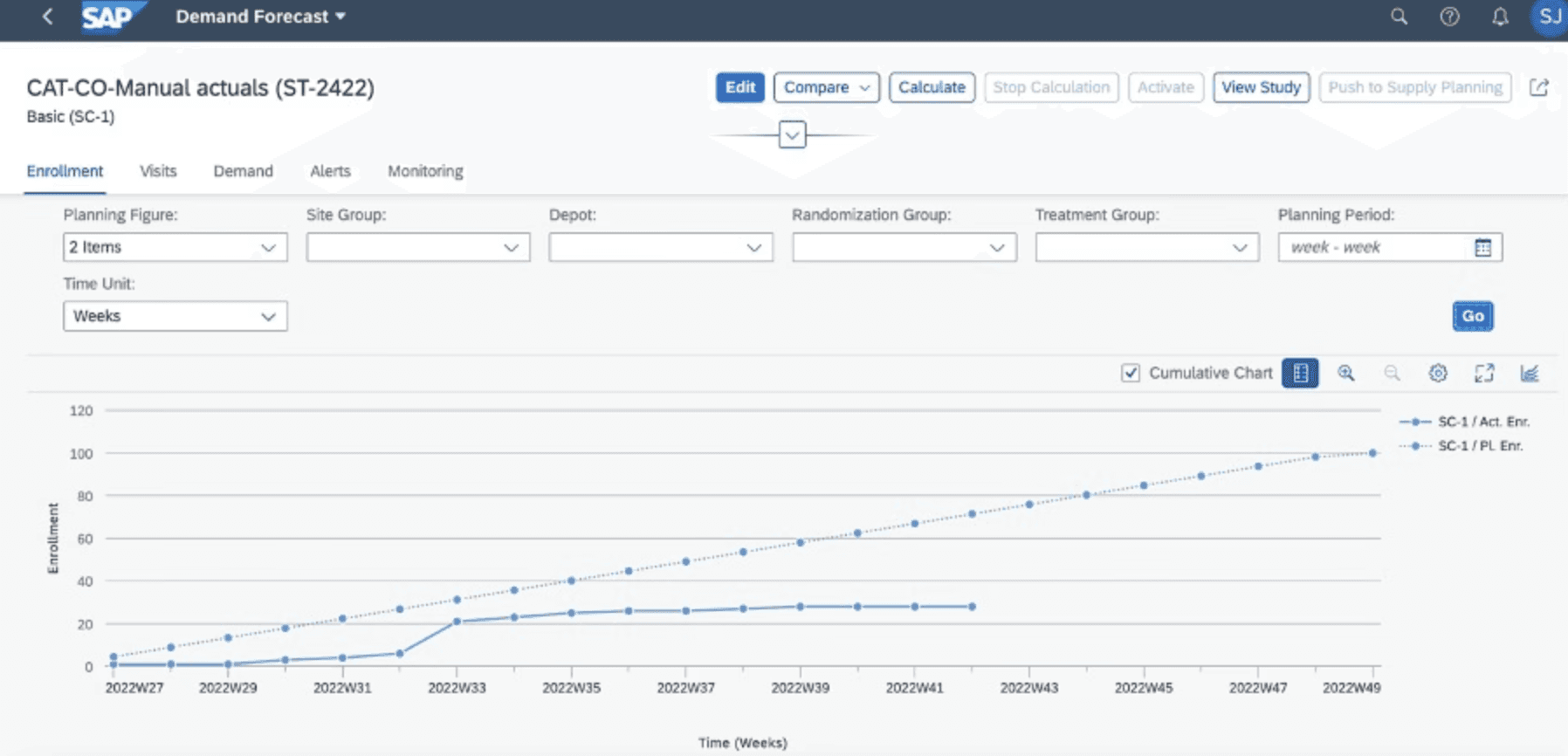
Pain Point: Forecasting had to adapt quickly to changing trial conditions (e.g. enrollment rates, regional supply).
Research Insight: Trial managers needed flexibility, not rigid automation.
Solution: Designed an interface that allowed users to input and revise forecasts manually in real time.
Outcome: Reduced inventory waste and helped ensure the right supplies were in the right place at the right time.
3. Streamlined Communication & Data Management
Pain Point: Email chains and spreadsheets caused delays and miscommunication.
Research Insight: Teams lacked a single platform to manage data and tasks.
Solution: Integrated messaging, task tracking, and documentation directly into the ICSM UI.
Outcome: Improved collaboration, reduced missed updates, and provided a single source of truth.
Results
The ICSM platform transformed how supply management for clinical trials was conducted:
Operational Efficiency: Teams were able to plan and execute trials more efficiently, with fewer costly errors.
Stronger Collaboration: The platform aligned different teams (R&D, operations, logistics) within one system.
Faster Decision-Making: Tools like scenario comparison sped up planning cycles significantly.
Cost Savings: More accurate forecasting helped avoid overstocking and shortages, reducing trial waste.
Adoption: Leading pharmaceutical companies adopted the system across pilot programs, validating the real-world impact.
Learnings
Designing for complexity requires clarity: Even the most technical systems benefit from simple, human-centered flows
Empathy is essential in enterprise UX: Success came from understanding not just the workflows, but the pressures and stakes trial managers face
Hybrid collaboration models work: The mix of live workshops and async reviews became a blueprint for effective distributed design
Conclusion
The SAP ICSM project provided a transformative approach to clinical trial supply management, addressing the increasing complexity and inefficiencies faced by pharmaceutical companies. By implementing tools for accurate demand forecasting, scenario comparison, and better alignment with clinical operations, we empowered trial managers with improved visibility, control, and responsiveness.
This collaboration among industry leaders, Tenthpin, and SAP has set a new standard for managing clinical trial supplies, contributing to a more effective, cost-efficient, and streamlined process—ultimately supporting faster drug development and better patient outcomes.