The Plastics Cloud: Designing Digital Solutions to Tackle Plastic Pollution
Collaborated with SAP and Design Thinkers Academy London to design real-time, user-focused solutions tackling single-use plastic waste in the UK.
Environmental Innovation
2018-2019
Product Designer
The Mission
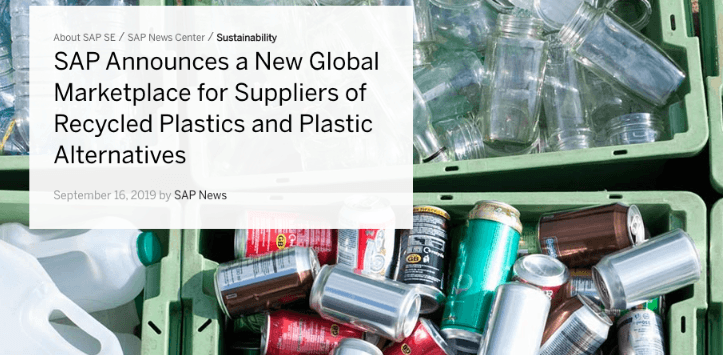
The Plastics Cloud was a real-time analytics platform designed to map the lifecycle of plastics across the UK and globally. Developed through a partnership between SAP and Design Thinkers Academy London, the project aimed to identify systemic problems around plastic use and build scalable, tech-enabled solutions that empower consumers to make more sustainable choices.
As a Product Designer, I worked across research, concept development, user flows, and prototyping. Our goal was to co-create digital tools that could turn insights into impact—helping consumers reduce plastic waste and rethink their consumption behaviours.
Results
The initiative generated three market-ready prototype concepts that were showcased to the public at Unilever House and the V&A Museum, gaining attention from industry stakeholders and sparking further collaboration.
Concepts Delivered
3 prototypes: RecycleMate, Reward 4 Change, Paycup
Public Showcase
Featured at Unilever House & V&A Museum
Ongoing Collab
Continued work with SAP & eXXpedition

Challenges
Our brief was ambitious:
Understand consumer behaviour across the plastic lifecycle
Design usable and scalable digital interventions
Validate and prototype real solutions within a compressed timeline
Collaborate across disciplines—design, engineering, behavioural science, and business strategy
The biggest challenge was aligning complex system-level insights with practical user-centred outcomes.
My Role
As a Product Designer, I was responsible for:
Conducting ethnographic research and field observations
Creating personas, journey maps, and visual storytelling tools
Leading ideation and concept development during design sprints
Designing wireframes and high-fidelity app mockups
Prototyping and validating user-facing concepts like RecycleMate and Reward 4 Change
The Team
The initiative brought together:
Designers from SAP and Design Thinkers Academy
Developers and engineers from SAP
Sustainability experts, consumer researchers, and behavioural scientists
Corporate and public stakeholders in the plastics lifecycle
We used the SAP Leonardo Design Thinking framework, moving through phases of Explore → Discover → Design → Prototype → Scale.
Roadmap
Phase 1: Explore – Ethnographic Research
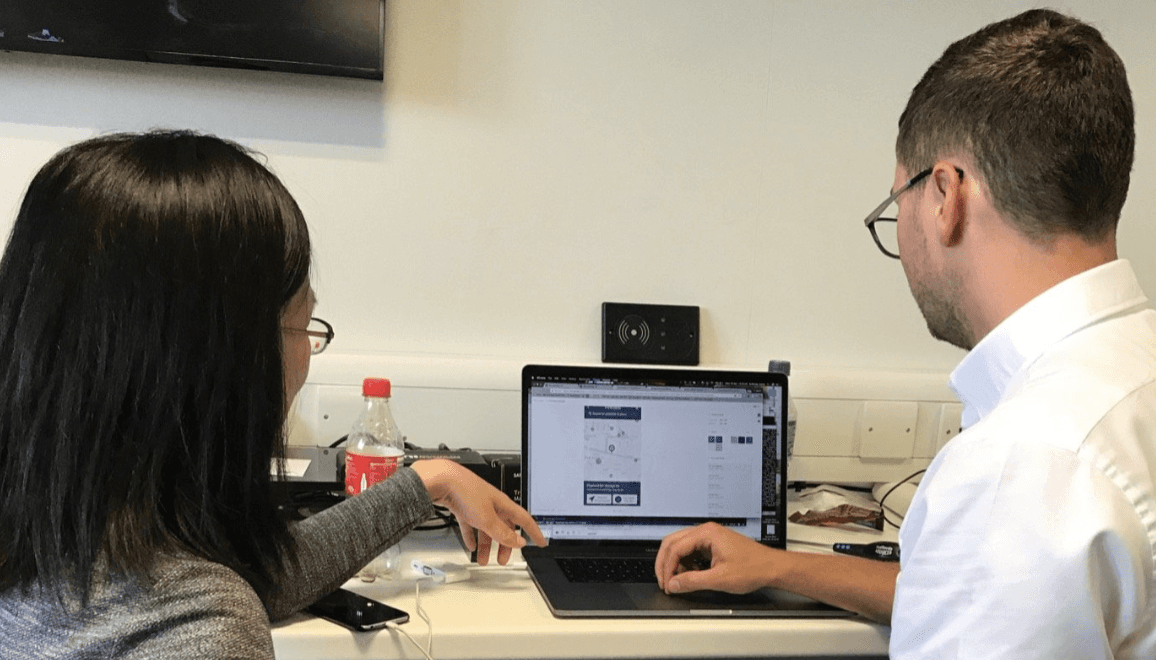
Conducted field studies and in-store shopping observations
Interviewed consumers across demographics to identify behavioural patterns
Identified key friction points around recycling, information clarity, and motivation
Phase 2: Discover – Design Sprint
Defined core user personas (e.g., Jake the student, Mandy the busy parent)
Ran co-creation workshops with clients and users
Developed five digital concepts based on rapid ideation, sketching, and testing
Refined ideas down to three promising solutions
Phase 3: Design & Prototype – Incubate
Designed low-fidelity wireframes based on key user journeys
Iterated and validated designs with real users
Built high-fidelity mockups and functional prototypes using image recognition, geolocation, and gamification
Developed early-stage hardware for Paycup using 3D printing
Phase 4: Present & Extend
Showcased final prototypes to a live audience at Unilever House and the V&A
Continued collaboration post-showcase, including further research and enhancements
SAP joined forces with eXXpedition to fight ocean microplastics with ongoing research and education
Process
1. RecycleMate
A mobile app that uses your phone’s camera and geolocation to determine if a plastic item is recyclable in your local area.
Features:
Scan items for disposal guidance
Find nearby recycling bins
Get collection reminders
Participate in gamified challenges with friends and family
Impact:
Reduced confusion, improved recycling accuracy, and increased user engagement through community-based features.
2. Reward 4 Change
An API integrated into existing rewards programs that uses a traffic-light system to show plastic impact and incentivise better choices.
How it Works:
Green/Amber products earn points
Red products trigger educational content and alternatives
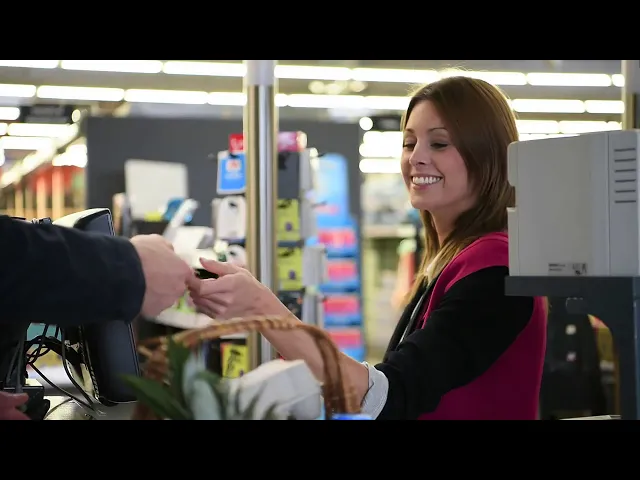
Simple nudges to shift consumer behaviour at checkout
Impact:
Rewarded sustainable behaviour and introduced plastic literacy into familiar consumer experiences.
3. Paycup
A reusable mug embedded with a payment chip—turning sustainability into a daily habit through convenience.
How it Works:
Mug integrates with loyalty cards and contactless payment
Adds emotional value to the object, increasing the likelihood of reuse
Impact:
Incentivised personal responsibility with a functional and sustainable product enhancement.

Key Features
1. RecycleMate
Smart Scan: Uses image recognition to identify plastics and deliver recycling advice
Geolocation Integration: Provides disposal instructions based on local council rules
Recycling Bin Locator: Helps users find nearby recycling points
Reminders: Notifies users when it’s time to take out the recycling
Social Layer: Adds gamification and community engagement (e.g., track progress with friends)
2. Reward 4 Change
Traffic-Light Ratings: Categorises products as green, amber, or red based on plastic use
Points System: Offers loyalty rewards for greener product choices
Educational Nudges: Provides suggestions and alternatives for red-flagged items
Retail Integration: Designed to plug directly into existing reward schemes
3. Paycup
Embedded Pay Chip: Enables contactless payments directly from the mug
Loyalty Card Integration: Rewards users for every reuse
Durable, Customizable Design: Encourages long-term adoption
Prototype Built: Initial 3D-printed base created and tested
The Outcome
We saw a clear shift from ideas to implementable action. These prototypes don’t just educate—they empower people to take part in the solution.
“This team not only understood the problem—we felt they truly understood the people. PTHive shows what’s possible when great UX meets real-world impact.”
Natasha Pergl
Head of Product Marketing - Sustainable Supply Chains

Conclusion
The Plastics Cloud project was a testament to the power of collaborative innovation. By combining research, design thinking, and emerging technologies, we built actionable tools to address one of today’s most pressing environmental challenges. The project showed how thoughtful design can shift behaviours, inform decisions, and ultimately support a more sustainable future.
Learnings
Systems-level problems need human-centred design: Translating complex issues into practical user tools was a powerful exercise in design empathy.
Behaviour change requires simplicity: RecycleMate succeeded because it made recycling decisions effortless and clear.
Designing for sustainability means designing for scale: From APIs to consumer apps, we focused on solutions that could integrate into daily life and existing systems.
